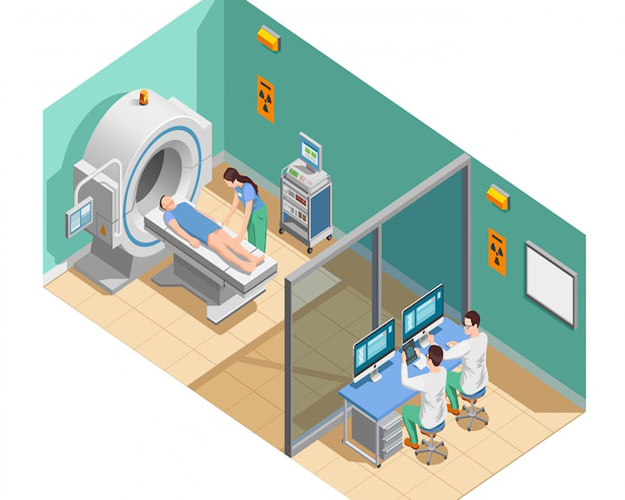
Radiology departments play a crucial role in modern healthcare by providing essential imaging services that help doctors diagnose and treat a wide range of conditions. From detecting diseases early to guiding treatment decisions, radiology is an indispensable part of the medical process. Let’s explore how these departments support accurate diagnoses and effective treatment plans.
Radiology departments are equipped with advanced technologies that allow doctors to see inside the body without needing to perform surgery. These technologies include:
One of the biggest advantages of radiology is its ability to detect diseases early, even before symptoms appear. For example, mammograms are used to find breast cancer at an early stage, and CT scans can detect lung cancer in its initial stages. Early detection is key to improving treatment outcomes and saving lives, as it allows doctors to intervene before a condition becomes more severe or difficult to treat.
Radiology is not just for diagnosis; it also plays a key role in developing and monitoring treatment plans. For example, once a doctor has diagnosed a condition through imaging, they can use follow-up imaging to see how well a treatment is working. Whether it’s checking how a tumor is responding to chemotherapy or ensuring that a bone fracture is healing correctly, radiology provides valuable information to guide treatment decisions.
Additionally, in some cases, radiology can be used directly in treatment. For example, interventional radiology involves using imaging to guide procedures such as biopsies, draining fluids, or even treating certain conditions like blocked blood vessels without the need for traditional surgery.
Radiology helps doctors make informed decisions that minimize the risk to patients. By providing accurate and detailed images, radiology can prevent unnecessary procedures and ensure that doctors are targeting the right areas of the body. For example, a doctor may use an MRI to pinpoint the exact location of a problem before deciding on surgery, reducing the chances of complications.
Radiology departments work closely with other healthcare professionals to ensure comprehensive care for patients. Radiologists, who are specialized doctors trained in interpreting medical images, collaborate with primary care physicians, surgeons, oncologists, and other specialists. This team approach ensures that a patient’s diagnosis and treatment plan are as accurate and effective as possible.
Radiology departments are integral to the healthcare system, providing doctors with essential tools to diagnose and treat patients accurately. Through advanced imaging technologies, early disease detection, and support in developing treatment plans, radiology departments help improve patient outcomes and ensure that the best care is delivered. Whether it's identifying a condition early or guiding a treatment procedure, radiology is an essential part of modern medicine.

 WhatsApp Us (24/7)