 WhatsApp Us (24/7)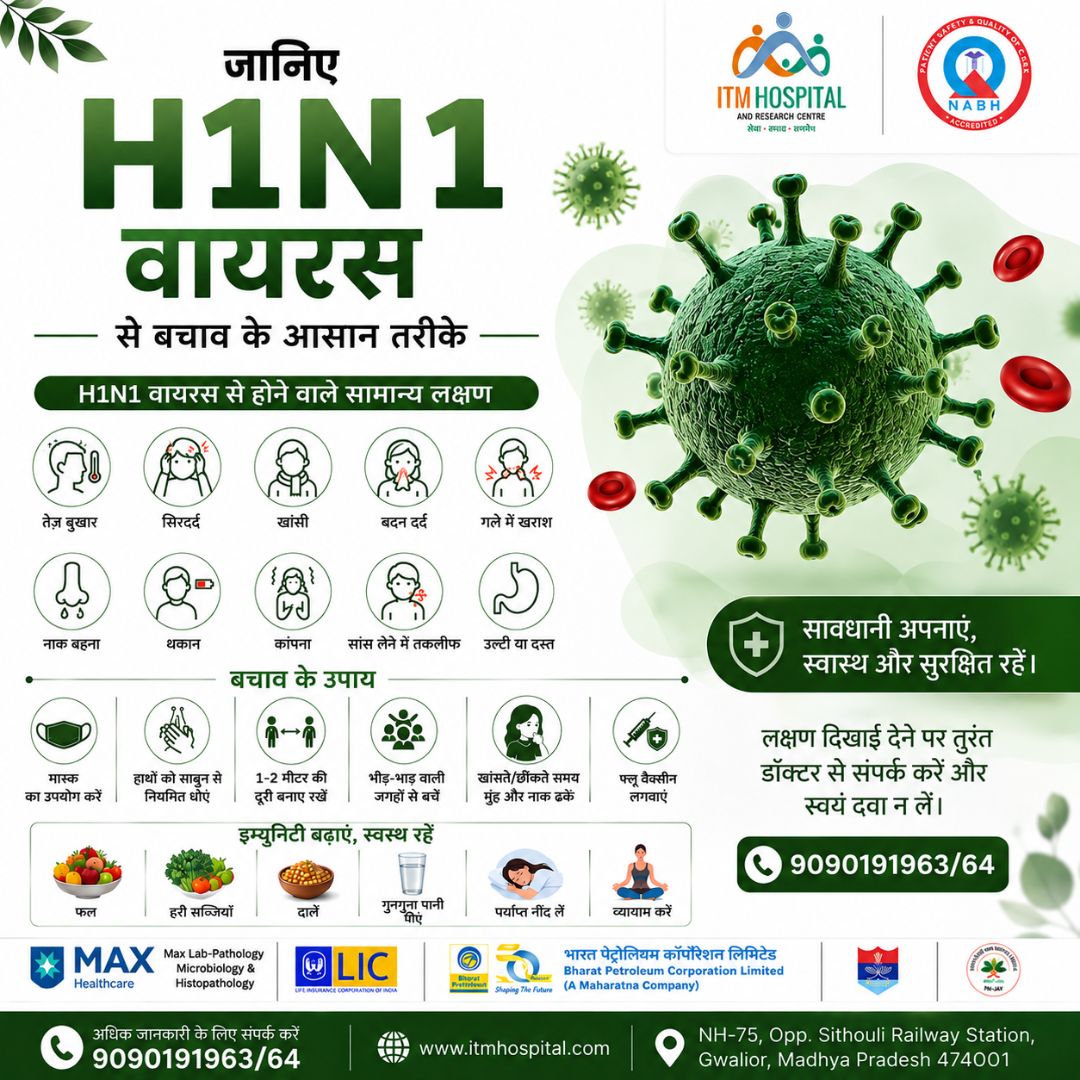
H1N1 Influenza: Symptoms, Prevention and When to Consult a Doctor
Aug 27, 2026H1N1 Influenza: What You Should Know
H1N1 is a subtype of influenza A virus that can cause flu-like respiratory illness. Influenza can range from mild illness to more serious disease, particularly in people at higher risk of complications. In India, seasonal influenza continues to be an important respiratory illness.
Understanding the symptoms, practicing good respiratory hygiene and seeking medical advice when necessary can help reduce the risk of complications and transmission.
Common Symptoms of Influenza
Influenza often has a sudden onset. Common symptoms can include:
- Fever
- Cough, often dry
- Sore throat
- Headache
- Runny nose
- Muscle and body aches
- Fatigue or weakness
Some people may also experience gastrointestinal symptoms such as vomiting or diarrhoea. Breathing difficulty can be a sign of more serious illness and should not be ignored.
Symptoms can overlap with other respiratory infections, so symptoms alone cannot always confirm that a person has influenza. A healthcare professional can advise whether testing or further evaluation is appropriate.
How Does Influenza Spread?
Influenza can spread from an infected person through respiratory droplets and close contact. Contaminated hands can also contribute to transmission when a person touches their eyes, nose or mouth.
This is why everyday hygiene and responsible behaviour when sick are important.
Simple Ways to Prevent Influenza
1. Wash Your Hands Regularly
Wash your hands with soap and water regularly, particularly after coughing, sneezing or being in shared environments. Alcohol-based hand rub can also be used when soap and water are unavailable.
2. Practice Respiratory Hygiene
Cover your mouth and nose when coughing or sneezing. Dispose of tissues properly and clean your hands afterward.
3. Avoid Close Contact When Unwell
If you have flu-like symptoms, staying home and limiting close contact with others can help reduce transmission.
4. Avoid Touching Your Face
Try to avoid touching your eyes, nose and mouth with unclean hands.
5. Consider Influenza Vaccination
Vaccination is the most effective way to prevent influenza and reduce the risk of severe outcomes. Annual vaccination is particularly important for groups at higher risk, including older adults, young children, pregnant women, people with certain chronic conditions and healthcare workers. Discuss vaccination with a qualified healthcare professional to determine what is appropriate for you.
Who May Be at Higher Risk?
Influenza can become more serious in certain groups, including:
- Young children
- Older adults
- Pregnant women
- People with chronic medical conditions
- People with weakened immune systems
- Healthcare workers and others with increased exposure
These individuals should seek medical advice promptly if they develop significant flu-like symptoms.
When Should You Consult a Doctor?
Do not ignore symptoms that are severe, unusual or getting worse. People in high-risk groups should also seek medical advice when they develop influenza-like illness.
Difficulty breathing, severe weakness or other concerning symptoms require prompt medical evaluation.
Do not self-medicate. Treatment decisions, including whether antiviral medication is appropriate, should be made by a qualified healthcare professional. Antiviral treatment can be particularly important for people at high risk or those with severe illness, and early treatment may be beneficial.
Stay Informed, Stay Protected
Influenza prevention starts with simple habits: maintain hand hygiene, practice respiratory etiquette, avoid close contact when sick and discuss vaccination with your doctor.
If you or a family member develops concerning symptoms, consult a healthcare professional rather than relying on self-medication.
Need Medical Assistance in Gwalior?
ITM Hospital & Research Centre, Gwalior
📞 9090191963 / 9090191964
🌐 www.itmhospital.com
📍 NH-75, Opp. Sithouli Railway Station, Sithouli, Gwalior, Madhya Pradesh 474001
This article is intended for general health awareness and does not replace professional medical diagnosis or treatment.
Sources: World Health Organization (WHO) — seasonal influenza guidance and influenza information for India.

