 WhatsApp Us (24/7)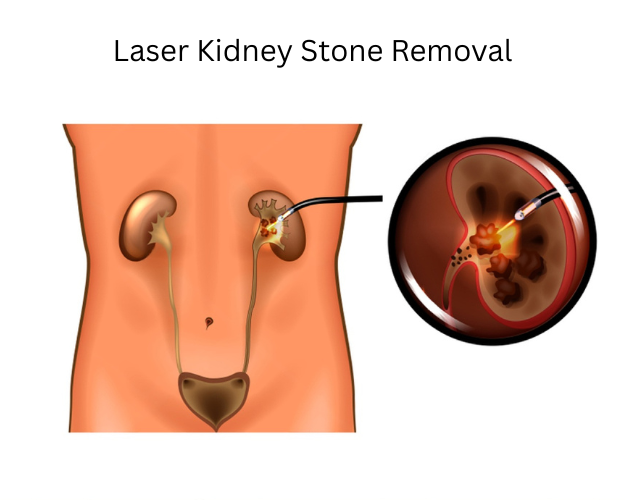
Laser Kidney Stone Removal Gwalior: Safe, Modern, Effective Treatment at ITM Hospital
Dec 30, 2025If you're searching for Laser Kidney Stone Removal Gwalior, you're not alone — kidney stones affect thousands across Madhya Pradesh each year. At ITM Hospital and Research Centre, Gwalior, we offer advanced laser lithotripsy for kidney stone removal, combining cutting-edge technology with compassionate local care. Whether you're dealing with pain, repeated urinary issues, or simply worried about repeated stone formation, this article will guide you through what you need to know — from how the procedure works to why it’s often the best option in Gwalior.
What Is Laser Kidney Stone Removal? (Laser Lithotripsy Explained)
Laser lithotripsy (also called ureteroscopic laser lithotripsy) is a minimally invasive procedure in which a thin scope (a ureteroscope) is inserted through the urinary tract — via urethra and bladder — up to the kidney or ureter. A tiny optical fiber carrying a laser (often a Holmium:YAG laser) breaks the stone into small fragments. These fragments are either removed with a small basket or allowed to pass naturally in urine.
Advantages of laser lithotripsy over conventional methods include:
1. No external incisions or cuts — the procedure uses natural urinary pathways.
2. High success rate even for larger, harder, or awkwardly located stones.
3. Usually a single session required — reducing need for repeated treatments.
4. Short hospital stay — many patients go home the same day or next morning.
5. Faster recovery — most return to regular activity within days.
At ITM Hospital, we follow international best practices, ensuring that the procedure is performed under anaesthesia with utmost safety, followed by post-operative monitoring, and proper guidance for aftercare.
Why Laser Stone Removal Is Often Better Than ESWL & Traditional Methods
While Extracorporeal Shockwave Lithotripsy (ESWL) remains an option for small stones, laser lithotripsy offers several distinct advantages — especially for stones larger than 10 mm or stones located in tricky positions in the kidney or ureter.
Key benefits:
1. More effective at clearing stones completely.
2. Works well even when stone is hard or in lower kidney area, where ESWL may fail.
3. Usually avoids repeat sessions (common with ESWL if fragments remain).
4. Lower risk of fragment-related complications (like fragments blocking ureter) compared with shockwave therapy.
In short: for many patients — especially those with larger or stubborn stones — laser removal often means fewer hassles and a cleaner outcome.
Who Should Consider Laser Kidney Stone Removal
Laser kidney stone removal may be recommended in these scenarios:
1. Stones larger than ~8–10 mm, or hard stones not likely to pass naturally.
2. Stones located in difficult kidney areas — lower pole or ureter — where ESWL is less effective.
3. Failed previous treatments (e.g., ESWL) or recurrent stones.
4. Patients seeking quick recovery with minimal downtime (e.g., working adults, laborers).
Your urologist at ITM Hospital will evaluate stone size, location (via ultrasound or CT scan), and overall health before recommending the best option.
What to Expect — Step-by-Step: Laser Lithotripsy at ITM Hospital, Gwalior
1. Initial consultation & diagnosis — imaging (ultrasound, X-ray, or CT) to locate stones.
2. Pre-operative preparation — fasting, stop certain medications, blood/urine tests.
3. Procedure (under anesthesia) — ureteroscope with laser fiber inserted via urethra; stone targeted and broken into fragments.
4. Stent placement (if needed) — a small plastic tube to help urine flow and stone fragments pass.
5. Recovery & discharge — often same day or next morning; most resume normal activity in 2–3 days; full recovery in 1–2 weeks.
6. Follow-up visit — stent removal (if placed), possibly repeat imaging or check-ups.
At ITM Hospital, our team ensures supportive care and clear aftercare guidance, with follow-ups to minimize risk of recurrence.
Why ITM Hospital & Research Centre Is the Ideal Choice in Gwalior
1. We understand local needs: Many patients from Gwalior and nearby regions prefer not to travel far — our centre makes advanced laser lithotripsy accessible.
2. Transparent cost estimates aligned with local ranges — no hidden charges.
3. Experienced urology team trained in latest laser-lithotripsy protocols.
4. Postoperative care and follow-up to help patients recover fully and reduce recurrence risk.
6. Friendly for local residents: whether you're from Lashkar, Morar, Thatipur or elsewhere, you have a reliable local option.
FAQs
Q: Is laser kidney stone removal painful?
A: No — the procedure is done under anesthesia, so there’s no pain during surgery. You might feel some discomfort or minor burning while urinating after, and possibly see blood in urine for a short time.
Q: How soon can I return to work or daily routine?
A: Most patients resume normal activities in 2–3 days; full recovery generally by 1–2 weeks.
Q: Will I need a stent?
A: Sometimes — especially if the stone was large or fragments need to pass. A temporary ureteral stent keeps urine flowing and helps fragments clear. It’s removed typically after a week or so.
Q: What happens if I delay treatment?
A: Kidney stones may grow, cause blockage or infection, leading to severe pain or kidney damage. Early removal via laser lithotripsy avoids such risks.
Q: Does my insurance cover the treatment?
A: Many critical-illness or surgical insurance plans in India cover laser lithotripsy. Coverage depends on your policy and hospital room type; our hospital staff can help you check.
Ready to Get Relief? Book Your Consult at ITM Hospital, Gwalior
If you or a loved one is struggling with kidney stones — or suspect you might be — don’t wait. Contact ITM Hospital and Research Centre, Gwalior today to schedule a consultation.
Call us now at +91 9090191963/64 or visit our outpatient department for an initial evaluation. Early action means quicker relief, faster recovery and fewer complications.

