 WhatsApp Us (24/7)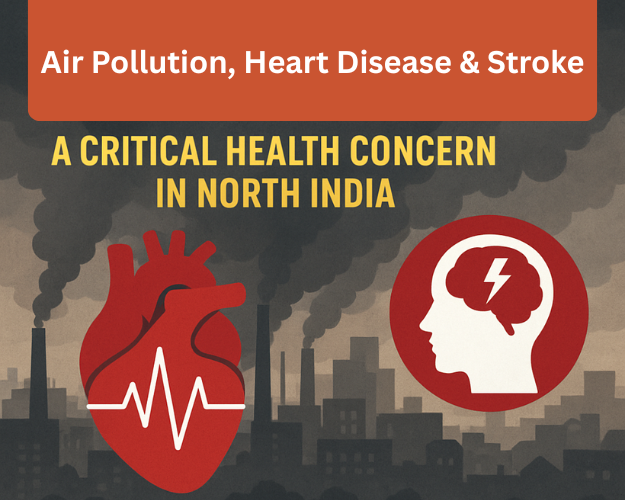
Air Pollution, Heart Disease & Stroke: A Critical Health Concern in North India
Dec 08, 2025Air pollution isn’t just a nuisance that clouds the skies — it’s a silent killer. In cities and towns across North India, including Gwalior, rising levels of air pollutants are increasingly being linked to serious cardiovascular disease. In this post, we explore how air pollution contributes to heart disease and stroke, why this matters especially in North India, and what you can do if you or a loved one is at risk. If you live in or around Gwalior and are concerned about heart health, this is a must-read — and you may also want to consider a check-up at ITM Hospital & Research Centre, Gwalior.
What do we mean by “air pollution”?
Air pollution comes from many sources — vehicle emissions, industrial smokestacks, dust from roads or construction, burning of crop residues or waste, and even polluted indoor air from cooking fuel.
A key measure used worldwide is PM2.5 “fine particulate matter” with particles ≤ 2.5 micrometers in diameter. That’s roughly 30 times smaller than a human hair. Because of their tiny size, these particles can travel deep into the lungs and even enter the bloodstream.
Other harmful pollutants include PM10, nitrogen dioxide (NO₂), ground-level ozone (O₃), sulphur dioxide (SO₂), carbon monoxide (CO), and volatile organic compounds.
How air pollution damages the heart and increases stroke risk
The evidence
a. According to the World Health Organization (WHO), around 7 million people die every year worldwide due to diseases linked to air pollution — including heart disease, stroke, lung cancer, and respiratory diseases.
b. A national-level study by Indian Council of Medical Research (ICMR) and partners found that in 2019, 1.7 million deaths in India (≈ 18% of total deaths) were attributable to air pollution. Among them, ischaemic heart disease accounted for ~29.2% and stroke ~16.2%.
c. Numerous epidemiological studies — including cellular-level investigations — highlight how PM2.5 and other pollutants increase risk of heart attacks, stroke, heart failure, arrhythmias, and sudden cardiac death.
The mechanisms: How pollution affects your cardiovascular system
When you inhale polluted air:
1. PM2.5 particles reach deep inside the lungs and enter the bloodstream, causing systemic inflammation, oxidative stress, and endothelial dysfunction (damage to the inner lining of blood vessels).
2. Over time, this can accelerate atherosclerosis — the buildup of fatty plaques in arteries — which can block blood flow, leading to heart attacks, stroke, or heart failure.
3. Short-term spikes in pollution also pose acute risks: even a few hours or days of exposure can trigger cardiovascular events in vulnerable individuals.
4. Pollutants may also raise blood pressure, make the blood more prone to clotting, and disturb heart rhythm.
In essence, dirty air doesn’t just irritate your lungs — it silently strains your heart and circulation, often without obvious symptoms until a serious event occurs.
Why North-central part of India are particularly vulnerable
Living in Northern and central parts of North India brings some added risks:
1. Many cities in North India frequently see PM2.5 levels many times above safety limits, especially during winters or crop-burning season.
2. Our region’s urbanization, traffic, seasonal dust, crop residue burning, and industrial emissions combine to make air pollution a persistent, year-round problem.
3. Because of this, long-term exposure for people living in Gwalior can mean chronic cardiovascular stress — not just occasional trouble.
What you can do: Protecting your heart and brain from polluted air
Here are practical steps you can take to reduce risk — especially important for people with existing heart disease, high blood pressure, diabetes, or older adults:
1. Track air quality (AQI) regularly
a. Monitor the daily Air Quality Index (AQI). On days when AQI shows “poor” or “hazardous”, limit outdoor exposure.
b. Avoid early morning or late-evening walks when pollution tends to be high and stagnant.
2. Reduce indoor pollution
a. Ensure proper ventilation when cooking — avoid open fires or unventilated biomass stoves.
b. Use exhaust fans or chimneys; consider clean cooking fuel if possible.
3. Use protective measures
a. On high-pollution days, wear good quality masks (e.g. N95).
b. If possible, use indoor air purifiers — particularly if someone at home has heart disease, asthma, or other chronic illness.
4. Maintain heart-healthy habits
a. Control blood pressure, cholesterol, and diabetes (if you have them). Pollution adds extra stress, so managing traditional risk factors becomes more critical.
b. Stay active — but prefer indoor exercise on bad-air days.
5. Get regular check-ups
If you are above 40, have any heart risk factors (hypertension, diabetes, smoking, family history), or live in high-pollution zones— a periodic cardiovascular check-up can help catch early signs (like high blood pressure, early artery changes, etc.).
How ITM Hospital & Research Centre can help
At ITM Hospital & Research Centre, Gwalior, our cardiology team recognizes air pollution as a real and urgent threat to heart and vascular health.
a. We offer comprehensive cardiac screening, including blood pressure, lipid profile, ECG, and advanced diagnostics including Coronary Ct Angiography— vital for people exposed to chronic pollution.
b. If needed, we provide specialist cardiology consultation, preventive care plans, and lifestyle counselling tailored to local context (e.g. for pollution-prone seasons).
c. Our center also educates patients on air-quality–informed lifestyle planning, to minimize outdoor exposure during “bad air days.”
FAQ
Q: Does air pollution really cause heart attacks in cities like Gwalior or Delhi?
A: Yes. Numerous studies show that particulate pollution — especially PM2.5 — can trigger events such as heart attacks or strokes, both in short-term spikes and as a result of long-term exposure.
Q: I don’t smoke or have high blood pressure — am I safe?
A: Not entirely. While traditional risk factors (smoking, hypertension) definitely increase risk, evidence shows that even people without those factors are at higher cardiovascular risk if exposed to significant air pollution, because pollutants cause inflammation, vessel damage, and plaque buildup.
Q: Can indoor air pollution be as dangerous as outdoor pollution?
A: Yes. Indoor pollution — from cooking fuels, smoke, poor ventilation — also contributes, especially when households use solid fuels or have inadequate ventilation.
Q: What should I do on “bad air” days if I have heart disease or high blood pressure?
A: Minimise outdoor exposure, wear a protective mask (e.g. N95), keep indoor air clean, follow your doctor’s advice, and consider visiting a hospital for check-ups if you notice symptoms like breathlessness, chest pain, palpitations, fatigue.
Q: Is there anything hospitals do to include air pollution risk in regular heart check-ups?
A: While historically not always standard, more and more cardiologists consider pollution exposure as a risk factor, especially in high-pollution areas. Regular screening and lifestyle counselling are now more relevant than ever.
Conclusion
Air pollution is no longer just an environmental debate — it is a public health emergency, particularly for cardiovascular health in pollution-prone regions like North. Chronic exposure to fine particulate matter (PM2.5) and other pollutants silently increases your risk of heart disease, heart attacks, stroke, and even early death.
But this risk is not inevitable. With simple preventive steps — like monitoring AQI, reducing outdoor exposure on bad-air days, improving indoor air quality, and getting regular heart check-ups — you can significantly protect yourself and your family.
Book your appointment or cardiac screening now on itmhospital.com — don’t wait until symptoms appear.

