 WhatsApp Us (24/7)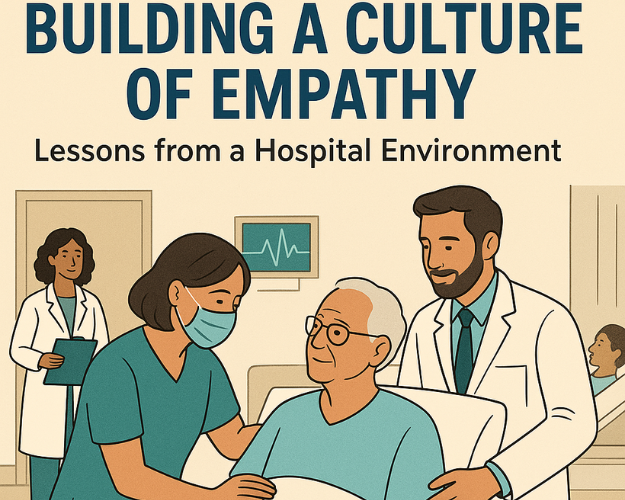
Building a Culture of Empathy: Lessons from a Hospital Environment
Nov 13, 2025In today’s fast-paced and results-driven world, empathy has emerged as one of the most powerful human values—one that not only transforms relationships but also strengthens organizations. Nowhere is this more evident than in the environment of a hospital, where compassion and understanding often make as much of a difference as clinical excellence. The lessons learned from hospitals can guide leaders, managers, and teams across industries in building workplaces that prioritize human connection, trust, and emotional intelligence.
Empathy at the Heart of Care
Hospitals are, by nature, environments of vulnerability. Patients arrive with uncertainty, pain, and hope. Families come seeking reassurance and support. Healthcare professionals navigate life-altering situations daily, balancing expertise with emotional resilience. Amid all this complexity, empathy becomes the silent language that binds everyone together.
When a nurse listens patiently to a patient’s fears, when a doctor explains a diagnosis with understanding rather than authority, or when a staff member comforts a worried relative—each of these moments reflects the power of empathy in action. It’s this culture of empathy that helps hospitals not only heal patients but also nurture trust and community.
Empathy Beyond the Bedside
While hospitals are known for their medical care, the emotional care they provide is equally critical. Every department—administration, maintenance, diagnostics, and nursing—plays a role in creating an empathetic ecosystem.
From how reception staff greet visitors to how support teams handle stressful situations, empathy can be seen in countless small actions. This interconnectedness teaches a crucial organizational lesson: empathy must not be confined to certain roles or designations. It needs to be embedded into the institution’s culture, guiding interactions at every level.
In many ways, hospitals mirror the dynamics of large organizations. There are teams, hierarchies, systems, and pressures. Yet, what sets a great hospital apart is how it humanizes these systems—ensuring that people remain at the heart of every decision and process. This is a powerful takeaway for any workplace.
Empathy as an Organizational Strength
Empathy in the workplace is often mistaken for softness, but in reality, it is a sign of strength. In healthcare settings, empathy fuels better communication, reduces conflicts, and enhances teamwork. A study published in the Journal of Healthcare Management highlighted that hospitals with higher staff empathy levels reported lower burnout rates and improved patient satisfaction.
This correlation applies equally to other industries. Teams that listen, support, and understand one another tend to perform better, adapt faster, and innovate more effectively. When leaders model empathetic behavior—acknowledging challenges, appreciating effort, and supporting well-being—they create psychological safety, the cornerstone of high-performing teams.
The Human Side of Leadership
Hospital leadership offers an inspiring perspective on empathy-driven management. A hospital director, for example, must not only oversee operations but also remain attuned to the emotional health of both staff and patients. Empathetic leadership in such environments is about listening deeply, acting decisively, and leading with compassion even under pressure.
This form of leadership can be transformative in any organization. When leaders take the time to understand their teams, connect authentically, and communicate with sensitivity, they inspire loyalty and resilience. Empathy, therefore, is not just a moral virtue—it’s a leadership strategy that builds trust and long-term engagement.
Learning from Everyday Heroes
In hospitals, acts of empathy often happen quietly and unnoticed—like a nurse staying past her shift to comfort a patient, or a technician explaining a test to ease anxiety. These moments highlight that empathy is not a grand gesture; it’s the accumulation of small, consistent actions that show care and respect.
Organizations outside healthcare can learn from this by recognizing and celebrating acts of empathy in their own teams. Simple initiatives—peer appreciation programs, open-door policies, or emotional wellness workshops—can foster a similar sense of connection and belonging.
Building an Empathetic Workplace Culture
Creating a culture of empathy doesn’t happen overnight. It begins with awareness, followed by intentional practice. Here are some lessons inspired by hospital environments that any organization can adopt:
1. Lead by example: Leadership sets the emotional tone. When leaders show empathy, others follow.
2. Encourage open communication: Create safe spaces where employees can express concerns without judgment.
3. Prioritize well-being: Support work-life balance and mental health initiatives.
4. Train for emotional intelligence: Equip teams with skills to understand and manage emotions effectively.
5. Celebrate human stories: Share real examples of kindness and support within the organization to reinforce the value of empathy.
Conclusion: Healing Beyond Healthcare
Hospitals remind us that while technology and expertise are vital, the true essence of care lies in empathy. This lesson transcends healthcare—it is a universal truth that applies to all human interactions, whether in business, education, or community life.
Building a culture of empathy means recognizing that every person has a story, every challenge has an emotion, and every success is shared. Organizations that internalize this mindset not only achieve better outcomes but also contribute to a more compassionate society.
As we look toward the future—one that increasingly values human connection amidst automation and speed—the hospital environment offers a timeless reminder: empathy is not just an emotion; it’s an essential skill, a collective responsibility, and the foundation of meaningful progress.

