 WhatsApp Us (24/7)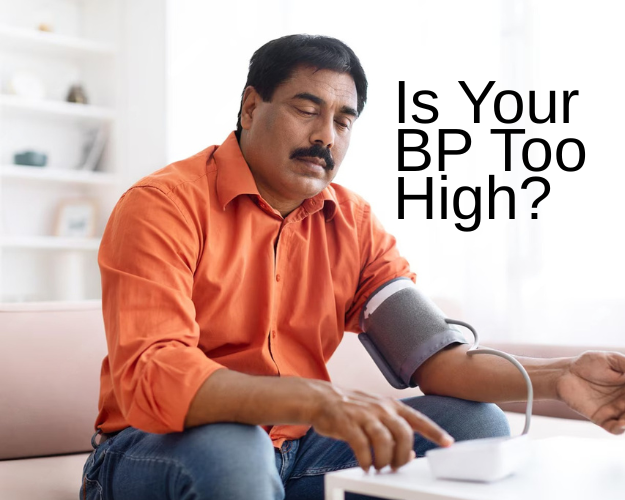
Is Your BP Too High? Understanding Stroke Symptoms & Prevention
Nov 27, 2025High blood pressure (hypertension) is one of the most significant yet preventable risk factors for stroke. A stroke occurs when blood flow to the brain is blocked or a blood vessel ruptures—leading to permanent brain damage if not treated immediately.
This guide explains how high BP triggers stroke, key symptoms to watch for, and proven prevention strategies. It is specially created for individuals seeking trusted healthcare information in Gwalior and surrounding regions, with recommendations aligned to ITM Hospital & Research Centre.
How High Blood Pressure Leads to Stroke
When blood pressure remains consistently high, the force against artery walls damages and weakens them. This can cause:
1. Blood clots that block blood flow to the brain (ischemic stroke)
2. Vessel rupture, leading to bleeding inside the brain (hemorrhagic stroke)
Medical studies show:
1. Stroke risk rises from BP levels above 115/75 mmHg
2. Reducing systolic BP by 10 mmHg lowers stroke risk by 27–41%
3. Maintaining BP below 130 mmHg provides stronger protection when tolerated
Primary keyword focus: high blood pressure, stroke risk, hypertension and stroke
Secondary keywords: BP control, stroke prevention Gwalior, ITM Hospital
Recognizing Stroke Symptoms: Use the FAST Method
Stroke symptoms appear suddenly. Immediate action saves brain cells and increases survival.
FAST Warning Signs
1. F – Face drooping: One side of the face looks uneven
2. A – Arm weakness: Inability to lift one arm or leg
3. S – Speech difficulty: Slurred speech, confusion, trouble understanding
4. T – Time to act: Call emergency services immediately
Other important symptoms
1. Sudden vision loss in one or both eyes
2. Severe headache with no known cause
3. Dizziness, imbalance, or sudden unsteadiness
4. Sudden nausea, vomiting, or brief unconsciousness
If you experience these symptoms, rush to ITM Hospital & Research Centre, Gwalior, where rapid stroke evaluation and emergency care are available 24×7.
How to Prevent Stroke: Control Your Blood Pressure
Keeping your blood pressure in a healthy range is the most powerful way to prevent a stroke.
Smart BP-Control Strategies
1. Eat a heart-healthy diet low in salt, saturated fats, and cholesterol
2. Include fresh fruits, vegetables, whole grains, and fiber-rich foods
3. Exercise at least 30 minutes daily, most days of the week
4. Limit alcohol and completely avoid smoking
5. Maintain a healthy weight
6. Monitor your BP at home and follow prescribed medications
7. Schedule regular check-ups with a physician or cardiologist
Evidence confirms that intensive BP control, when safe, significantly reduces stroke chances—especially for people with diabetes, kidney issues, or a history of heart disease.
Additional Ways to Reduce Stroke Risk
Stroke prevention extends beyond managing blood pressure. Consider the following:
1. Keep cholesterol levels in check
2. Manage diabetes with lifestyle changes and medications
3. Take blood thinners if prescribed
4. Avoid tobacco in any form
5. Address heart conditions early
6. Go for periodic cardiac and neurological evaluations
For personalized risk assessment, consult a specialist at ITM Hospital Gwalior, known for comprehensive stroke care and preventive cardiology services.
Internal Linking Suggestions for ITM Hospital Website
(Include links where applicable on the hospital site)
1. Link to “Cardiology Department” page
2. Link to “Neurology & Stroke Care Unit”
3. Link to “Book an Appointment” page
4. Link to “Health Check-Up Packages”
Conclusion
High blood pressure is one of the strongest predictors of stroke—but with awareness, timely action, and preventive care, stroke is largely avoidable. Recognizing FAST symptoms and maintaining controlled BP can save lives.
If you suspect high BP or notice any stroke symptoms, seek immediate medical care.
Worried about your BP or stroke risk? Visit ITM Hospital & Research Centre, Gwalior for expert cardiac and neurological evaluation. Book your consultation today on 9090191963/64
Below is your FAQ section, fully optimized for SEO and tailored for ITM Hospital & Research Centre, Gwalior.
You can place it at the end of the blog before the conclusion or CTA.
Frequently Asked Questions (FAQ)
1. Can high blood pressure really cause a stroke?
Yes. High blood pressure is the leading cause of stroke. It damages blood vessels, increases the chances of clots, and can cause arteries in the brain to rupture. Keeping BP within the normal range significantly lowers stroke risk.
2. What is the normal blood pressure range?
A healthy BP is generally around 120/80 mmHg.
Anything above 130/80 mmHg is considered elevated or high and should be discussed with a doctor—especially if readings stay consistently high.
3. How can I quickly identify a stroke?
Use the FAST method:
1. Face drooping
2. Arm weakness
3. Speech difficulty
4. Time to act—call emergency services immediately
Fast action can limit brain damage and save lives.
4. How often should I check my BP?
People with hypertension or at risk for stroke should monitor BP at least once or twice a week. If you are on medication, your doctor may advise more frequent checks.
5. Can lifestyle changes alone control high BP?
For many individuals, yes. Diet changes, exercise, stress management, and quitting smoking can significantly improve BP. However, some patients may still require medications. A doctor at ITM Hospital Gwalior can guide you based on your health profile.
6. When should I visit a hospital for high BP?
Seek medical care if:
1. Your BP is consistently above 140/90 mmHg
2. You experience severe headache, chest pain, dizziness, or blurred vision
3. Your home BP reading reaches 180/120 mmHg or higher (hypertensive emergency)
Immediate evaluation is available at ITM Hospital & Research Centre, Gwalior.
7. Is stroke preventable?
Yes, up to 80% of strokes are preventable with proper BP control, diabetes management, cholesterol monitoring, and lifestyle changes.

