 WhatsApp Us (24/7)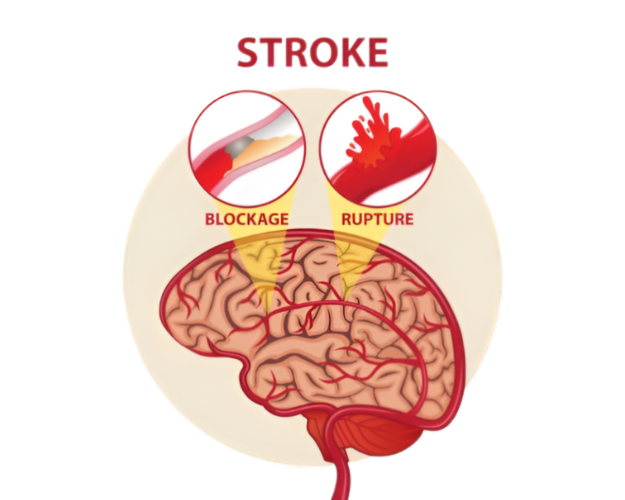
How High Blood Pressure Increases Stroke Risk: Prevention Tips
Nov 27, 2025High blood pressure is the most important controllable risk factor for stroke, yet many adults remain unaware of how closely the two are linked. Understanding this relationship is essential for early prevention—especially in regions like North and Central India, where lifestyle-related hypertension is steadily rising.
What Is High Blood Pressure?
High blood pressure (hypertension) occurs when the force of blood pushing against your artery walls remains consistently elevated. Over time, this pressure damages blood vessels and vital organs.
1. Normal BP: Below 120/80 mmHg
2. Hypertension: Persistent readings of 130/80 mmHg or higher
Hypertension is extremely common and often symptomless—earning the name “silent killer.” Most individuals discover it only during routine check-ups or after a serious medical episode such as a heart attack or stroke.
How High Blood Pressure Leads to Stroke
A stroke happens when blood flow to the brain is interrupted (ischemic stroke) or when a blood vessel bursts (hemorrhagic stroke). Uncontrolled blood pressure significantly increases the risk of both types.
Why it happens:
1. High BP weakens artery walls
2. Arteries become narrow, stiff, or clogged with fatty deposits
3. Damaged vessels in the brain may rupture or block, causing a stroke
This slow but progressive damage makes hypertension one of the strongest predictors of stroke in adults.
How Much Does Hypertension Increase Stroke Risk?
Even mild increases in systolic blood pressure can raise stroke risk dramatically.
1. Every 10 mmHg rise in systolic BP =
a. 20% higher risk of overall and ischemic stroke
b. 30%+ higher risk of hemorrhagic stroke
Duration matters:
The longer a person lives with hypertension, the higher their long-term stroke risk. Managing blood pressure early—especially in your 30s and 40s—substantially reduces the likelihood of a major stroke later in life.
Who Is at Highest Risk?
Anyone can develop hypertension, but certain groups have a much higher risk of stroke:
1. Adults over 50
2. People with diabetes or high cholesterol
3. Smokers
4. Those who consume excess alcohol
5. Individuals with obesity
6. Adults with a family history of heart disease or stroke
7. People with sedentary lifestyles
8. Individuals with high-salt diets or high-stress levels
In regions like Gwalior and Madhya Pradesh, younger adults are increasingly experiencing hypertension-related complications due to fast-paced lifestyles and poor diet habits.
Warning Signs You Should Never Ignore
Hypertension rarely causes daily symptoms, but extremely high readings may lead to:
1. Headaches
2. Shortness of breath
3. Chest pain
4. Vision disturbances
Stroke symptoms require immediate medical attention. Remember FAST:
1. F – Face drooping
2. A – Arm weakness
3. S – Speech difficulty
4. T – Time to call emergency services
Additional warning signs include sudden dizziness, confusion, severe headache, or difficulty seeing in one or both eyes.
Prevention: How Adults Can Lower Stroke Risk
The encouraging news is that blood pressure control significantly reduces stroke risk at any age. Here’s how:
Medical Steps
1. Monitor BP regularly
2. Follow up with a physician when readings rise
3. Take prescribed medications consistently
Lifestyle Modifications
1. Reduce dietary salt
2. Maintain a healthy weight
3. Exercise for at least 30 minutes a day
4. Limit alcohol consumption
5. Quit smoking
Manage stress through yoga, meditation, or counseling
Eat a heart-healthy diet rich in fruits, vegetables, and whole grains
At ITM Hospital & Research Centre, Gwalior, regular wellness check-ups and hypertension management programs help individuals detect early changes and prevent long-term complications.
Conclusion
High blood pressure is a leading—but preventable—cause of stroke. By understanding your risks, adopting a heart-healthy lifestyle, and seeking timely medical care, you can significantly reduce your chances of experiencing a life-threatening stroke.
Concerned about your blood pressure or stroke risk?
Visit ITM Hospital & Research Centre, Gwalior for expert consultation, accurate diagnosis, and advanced stroke prevention care.
Call us or book an appointment today on 9090191963/64
Frequently Asked Questions (FAQ)
1. Can high blood pressure really cause a stroke?
Yes. High blood pressure is the leading controllable cause of stroke. Over time, it damages and weakens blood vessels in the brain, making them more likely to rupture or become blocked.
2. What blood pressure level is considered dangerous?
A consistent reading of 130/80 mmHg or higher indicates hypertension. Readings above 180/120 mmHg require immediate medical attention.
3. What are the early warning signs of a stroke?
Common signs include facial drooping, arm weakness, and speech difficulty—summarized as FAST. Other symptoms include sudden dizziness, severe headache, vision loss, or confusion.
4. Can lifestyle changes alone lower high blood pressure?
For many adults, lifestyle changes such as reducing salt, exercising regularly, losing weight, and quitting smoking can significantly lower blood pressure. However, some individuals may still require medication.
5. How often should I check my blood pressure?
Adults should check their BP at least once every 6 months, or more frequently if they have hypertension, diabetes, obesity, or a family history of heart disease.
6. Is high blood pressure common among young adults?
Yes. Due to sedentary lifestyles, stress, poor diet, and increased screen time, hypertension is increasingly being diagnosed in adults under 40—especially in urban and semi-urban areas like Gwalior.
7. When should I visit a doctor for high blood pressure?
If your readings stay above 130/80 mmHg, or if you experience symptoms like chest pain, breathlessness, severe headache, or vision changes, consult a physician immediately.
8. How does ITM Hospital Gwalior help in stroke prevention?
ITM Hospital & Research Centre offers advanced hypertension management, stroke risk assessment, 24×7 emergency services, and expert consultation with cardiologists and neurologists to ensure comprehensive stroke prevention care.

