 WhatsApp Us (24/7)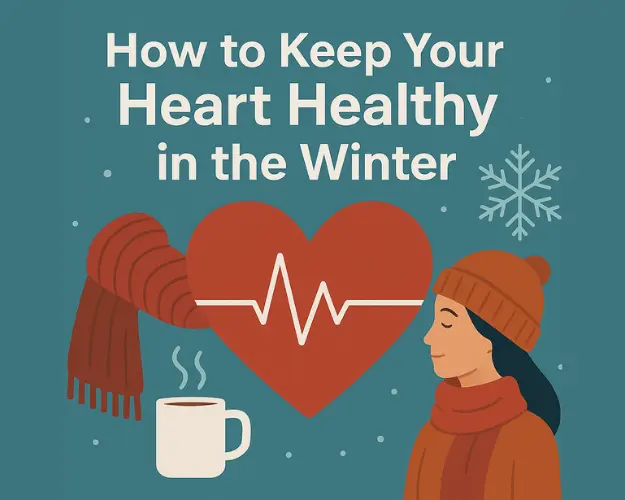
How to keep your heart healthy in the winter
Nov 08, 2025To keep your heart healthy during cold weather, it’s crucial to adopt proactive lifestyle changes. Cold temperatures can strain the cardiovascular system and increase the risk of heart-related complications, especially in people with pre-existing conditions or older adults.
Impact of Cold on Heart Health
Cold weather causes blood vessels to constrict, raising blood pressure and increasing the workload on your heart. Breathing in chilly air can also irritate the lungs, reducing oxygen supply to the heart. These stressors make winter a riskier season for heart attacks, particularly for heart patients, seniors, and people with high blood pressure or diabetes.
Why Heart Attacks Increase in Winter
The rise in cardiac events during winter stems from several physical changes:
1. Vasoconstriction: Narrowing of blood vessels raises blood pressure and makes the heart work harder.
2. Increased Heart Rate: The body accelerates blood flow to keep warm, which strains the heart.
3. Thicker Blood: Dehydration and cold increase blood viscosity, raising the risk of clots.
Key Lifestyle Strategies
Dress Warmly and Smartly
Layering with cotton or wool garments retains body heat and protects against chills. Cover your head, hands, feet, and neck, as these lose heat quickly. Avoid tight clothing that restricts blood flow and choose accessories like scarves and gloves for added warmth.
Exercise Safely
Physical activity promotes circulation and strengthens the heart, but winter requires adjustments:
1. Opt for walks after sunrise to avoid coldest hours.
2. Switch to indoor exercises such as yoga, stretching, or light cardio.
3. Avoid heavy exertion outdoors, especially tasks like snow shoveling, which can stress the heart.
4. Listen to your body and rest if you feel chest discomfort or fatigue.
Eat a Heart-Healthy Diet
A nutritious diet helps regulate blood pressure and cholesterol, which is vital in winter.
1. Emphasize fruits, vegetables, whole grains, and lean proteins.
2. Include foods rich in omega-3 fatty acids, such as fish, to protect heart function.
3. Limit salt, sugar, fried foods, and processed snacks to reduce cardiovascular risk.
4. Warm, homemade soups with vegetables offer comfort and nutrients.
Stay Hydrated
Winter air is often dry, leading to dehydration, which thickens blood and increases heart strain. Drink enough water and enjoy warm beverages like herbal teas and soups. Avoid excessive caffeine or alcohol intake, as these can dehydrate your body.
Monitor Blood Pressure Regularly
Cold temperatures can cause sudden spikes in blood pressure, especially in hypertensive individuals. Regular monitoring allows timely intervention and helps avert emergencies.
Get Adequate Sleep and Manage Stress
Quality sleep and stress management positively affect heart health and blood pressure.
1. Aim for 7-8 hours of uninterrupted sleep.
2. Practice meditation, listen to music, or enjoy reading to manage winter stress.
3. Stay socially connected, as emotional well-being reduces stress-related cardiac risks.
Avoid Smoking and Alcohol Abuse
Smoking restricts blood vessels and raises heart risks. Excess alcohol can spike blood pressure, especially in winter. Limit or avoid these habits for heart protection.
Prevent Flu and Infections
Flu season coincides with winter, and infections can worsen existing heart issues. Get vaccinated against flu, and manage symptoms promptly to reduce strain on your heart.
Monitor Symptoms and Seek Help
Be alert to warning signs such as chest pain, shortness of breath, fatigue, dizziness, or swelling in extremities. Seek medical attention without delay, as timely diagnosis and intervention can be life-saving.
FAQs: Heart Safety in the Winter
1. Why is cold weather dangerous for heart patients?
Cold causes blood vessels to narrow and strains the heart, increasing risks for those with heart conditions.
2. Can lifestyle changes in winter prevent heart attacks?
Yes, adopting safe exercise habits, a balanced diet, staying hydrated, and avoiding cold exposure significantly lower risks.
3. Should I continue my regular medication and check-ups?
Absolutely. Adherence to prescriptions and regular doctor's visits are critical in winter, when heart risks spike.
4. Is shoveling snow or morning exercise safe?
Only if done with caution. Avoid heavy exertion, and prefer indoor activities if temperatures are very low.
5. How can seniors protect their hearts in winter?
Layer clothing, adopt gentle indoor exercise, monitor blood pressure, and maintain good nutrition.
Conclusion
Heart health is a year-round priority, but winter brings extra risks requiring prudent lifestyle modifications. By dressing warmly, staying physically active indoors, eating nutritious foods, managing stress, and avoiding harmful habits, you can keep your heart healthy even in the coldest months. Regular check-ups and being alert to warning signs will further safeguard your wellbeing all winter long.

