 WhatsApp Us (24/7)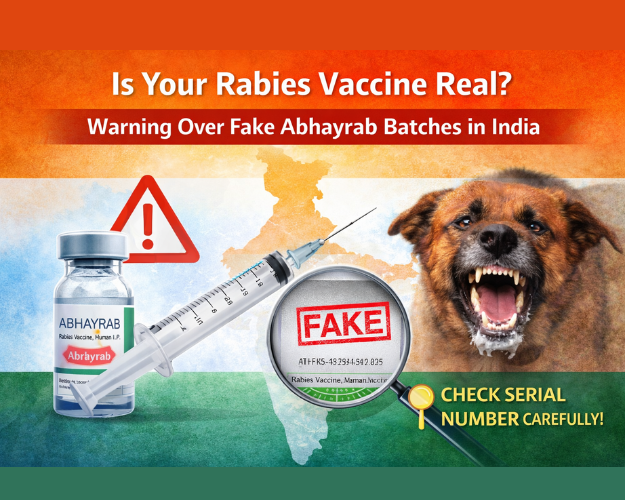
Is Your Rabies Vaccine Real? Warning Over Fake Abhayrab Batches in India
Jan 03, 2026Recent reports have raised alarms that counterfeit (fake) rabies vaccines have been detected in India. Health agencies in Australia, the UK, the US and elsewhere have issued alerts about spurious batches of the Abhayrab® vaccine (made by Indian Immunologicals Ltd.) circulating since late 2023. In fact, the US CDC noted that a case of rabies was reported in a U.S. traveler from India, and warned that “counterfeit Abhayrab human rabies vaccine has recently been reported in major cities in India. Counterfeit vaccines may not be effective in the prevention of rabies and could contain harmful ingredients. The Indian Express and NDTV have confirmed these international advisories. In response, Indian Immunologicals identified a single suspect batch (KA24014) with tampered packaging and informed regulators. To date no additional counterfeit batches have been officially confirmed. The fake vials were reportedly found in several cities (Delhi, Mumbai, Agra, Lucknow, Kanpur and Patna) and subject to police raids. Experts emphasize that any dose of Abhayrab (or an unknown rabies vaccine) given in India since Nov 1, 2023 should be treated with caution, and patients may need replacement doses of a verified vaccine.
What Is Rabies and How Vaccines Protect
Rabies is a deadly viral disease that attacks the central nervous system. It is transmitted by the bite or scratch of an infected animal (often dogs, bats, or other mammals). Once rabies symptoms (fever, headache, hydrophobia, paralysis, etc.) appear, the disease is almost always fatal. However, rabies can be prevented if treated promptly. A rigorous wound-cleansing plus a course of rabies vaccine (and rabies immunoglobulin for severe exposures) – known as post-exposure prophylaxis (PEP) – stops the virus from taking hold. In fact, timely PEP is nearly 100% effective at preventing rabies if given before symptoms develop. For high-risk travelers or animal handlers, “pre-exposure” vaccination (a 3-dose series) is also recommended, which simplifies treatment if an exposure occurs later.
Vaccination works by priming the immune system to recognize and neutralize the virus. In India, the World Health Organization–endorsed regimen usually involves 3 intramuscular doses (or 2 intradermal doses) of vaccine after an animal bite, along with a dose of rabies immunoglobulin on Day 0 of exposure. Children, hikers, veterinarians, and travelers to endemic areas should consider pre-exposure rabies shots, as advised by health authorities.
Because rabies is so deadly, receiving the correct vaccine on schedule is critical. A genuine rabies vaccine contains inactivated virus to safely induce immunity. In contrast, a counterfeit or fake vaccine might have no active virus particle (thus no protection) or even dangerous additives. Authorities warn that a bogus rabies shot “may not be effective” against the virus and could include harmful ingredients. In short, a counterfeit vaccine puts you at risk of rabies infection (which is almost always fatal) while giving a false sense of security.
Counterfeit Vaccine Incidents: Detection and Scope
How were these suspect vaccines found? According to Indian Immunologicals (IIL), the company spotted an irregularity in January 2025 when one batch (#KA24014) had packaging that did not match the original. The company immediately notified the Drug Controller General of India (DCGI) and police. Samples from this batch were seized and sent to the Central Drugs Testing Laboratory (CDTL) in Kasauli. Laboratory analysis found the vials contained genuine Abhayrab vaccine – only the outer labels were forged. In other words, real government-supplied vials were being diverted and relabeled for illicit sale.
Investigations traced these fraudulent vials to major cities. The counterfeit doses were detected in Delhi, Mumbai, Agra, Lucknow, Kanpur and Patna, leading to police raids in Delhi, Mumbai and Agra. So far, no other suspect batches have been reported aside from KA24014. IIL and health officials stress this appears to be an isolated diversion case, not a widespread contamination of vaccine content. However, the precautionary advisories remain in effect because it is hard to tell at the individual level whether a dose was tampered with.
Signs of Counterfeit Vaccines
If you or someone you know has recently gotten a rabies shot in India, here are warning signs to watch for:
1. Unusual Packaging or Label: Authentic vaccines carry official labels, logos, manufacturer name and a printed batch/expiry. Any discrepancies (font size differences, spelling errors, missing logos, tampered holograms) are red flags. Health authorities noted that the fake Abhayrab vials had “different packaging, labelling and manufacturing” from the genuine ones. Always inspect the vial and box – if something looks odd, ask the healthcare provider about it.
2. Unknown Vaccine Brand: India uses a few approved rabies vaccines (e.g. Abhayrab®, Rabipur®, Verorab®). If the vaccine name on the card or vial is unfamiliar or blank, question it. Similarly, if a provider cannot specify the brand (saying it was “unknown”), be cautious.
3. Unauthorized Provider or Venue: Be wary if the shot was given outside a regular clinic or hospital – for example, a street vendor, pet shop, or impromptu camp. Vaccines should only be administered in licensed healthcare settings. The UK advisory explicitly warned that falsified vaccines were circulating “through unauthorised sources in India”.
4. No Documentation: You should receive a vaccination card or receipt with details of the vaccine brand, batch number, and date. If none was provided, or records are incomplete, request them. Even taking a photo of the vial and label (as UK travel officials suggest) can help experts verify the product later.
5. Strange Storage Conditions: While harder for a layperson to judge, legitimate rabies vaccines are kept refrigerated. If you notice the clinic storing vaccines improperly (not asking about this is usually fine, but odd temperature storage can degrade vaccine), it may be a concern.
What to Do If You Suspect a Fake Rabies Vaccine
If you believe you may have received a counterfeit or questionable rabies shot, act promptly:
1. Seek Medical Advice Immediately. Treat the situation seriously. Contact your healthcare provider or visit a hospital as soon as possible. Let them know your concern so they can review your vaccination history and consider giving additional doses. In Australia, people advised to “check if replacement doses are needed” if they got Abhayrab in India after Nov 2023.
2. Receive Replacement or Booster Doses. Because one fake dose could mean you’re unprotected, doctors may recommend restarting or continuing your vaccination course with a different authorized vaccine (like Rabipur or Verorab, which are WHO-approved). For example, the Australian advisory suggests replacing any Abhayrab doses given in India with a locally licensed vaccine. The key is to ensure you have a full, valid course of protection.
3. Wound Care and Immunoglobulin (if applicable). If the original exposure was within the past few days and you did not receive rabies immunoglobulin (RIG), ask your doctor about getting it now (if category-3 exposure, e.g. deep bite). Also thoroughly wash the wound with soap and water – immediate wound cleansing is a critical first step.
4. Report the Incident. You can alert local health authorities or the Drug Controller’s office about the suspicious vaccine. In India, such reports help regulators track and stop counterfeit medicines. The UK guidance even advises contacting local public health if you think you got a falsified dose.
5. Keep Records. Document all details: where and when you were vaccinated, the product name, batch number (if known), and any photos of the vial. This information aids follow-up checks and re-vaccination if needed.
Remember: never ignore a bite or scratch. Even if you’ve had some vaccine, always follow up with a doctor. Rabies is so dangerous that the CDC stresses getting care “right away” after any possible exposure. The cost of a few extra vaccine doses is far less than the risk of developing rabies.
Verifying Vaccine Authenticity and Safe Vaccination Centers
To ensure rabies vaccine safety, always seek vaccination at reputable healthcare centers. Trusted hospitals and clinics source vaccines through official government or manufacturer channels, where products are batch-tested and regulated. For example, Indian Immunologicals notes that “every batch of vaccine manufactured in India is tested and released by the Central Drugs Laboratory” (a government lab) and that vaccines from “government institutions and authorised distributors remain safe and of standard quality. In other words, vaccines obtained through recognized channels—such as major hospitals, municipal health centers, or licensed travel clinics—are fully genuine.
As a patient, you can take these precautions:
1. Choose Authorized Centers: Prefer government hospitals, municipal PEP centers (under India’s National Rabies Control Programme), or large private hospitals with a good reputation (for example, IT Hospital and Research Centre). These institutions procure WHO-approved vaccines and maintain the cold chain. Ask if the clinic is licensed and routinely delivers post-exposure prophylaxis.
2. Verify Vaccine Details: When vaccinated, confirm the brand name, manufacturer, and batch number of the vaccine. Check that these match a legitimate product (Indian Immunologicals’ Abhayrab®, Serum Institute’s Rabipur®, etc.) and are not past expiry. Writing them down or photographing the label is wise.
3. Ask Questions: Feel empowered to ask the nurse or doctor any concerns. If the vaccine vials or paperwork look unprofessional, request clarification. Genuine clinics will respect patient safety; shady providers will not welcome scrutiny.
4. Follow Official Guidance: Health authorities advise avoiding animal contact in rabies-endemic areas, having up-to-date tetanus and (if indicated) pre-exposure rabies shots before travel. If you travel abroad, keep your immunization records handy.
By taking these steps, you help ensure the rabies vaccine authenticity. Remember, rabies is preventable with proper vaccination, but only if the vaccine is real.
FAQ
How can I tell if my rabies vaccine is real?
Check that you received the vaccine at a licensed clinic or hospital, and verify the vial label and documentation. Authentic vaccines will have a recognizable brand name (such as Abhayrab®, Rabipur®, Verorab®, etc.), manufacturer details, and a valid batch/expiry number. Make sure the packaging looks professional with no spelling errors or blurry printing. You can also keep a photo or record of the vaccine label when you’re vaccinated. If anything seems amiss (wrong label, no paperwork, administered in an odd setting), raise this immediately with your healthcare provider.
What are the risks of a fake rabies shot?
A counterfeit rabies vaccine may lack the actual virus component needed to trigger immunity. In other words, it won’t protect you from rabies. Even worse, it could contain harmful or untested substances. Relying on a fake shot could leave you vulnerable to rabies infection, which is nearly always fatal if untreated. That’s why health advisories stress that anyone who got Abhayrab in India since Nov 2023 should consider it suspect and get new doses of a verified vaccine. Always follow up with your doctor if you have any doubt.
What should I do if I got a fake rabies vaccine?
Immediately consult a doctor or visit a hospital. Explain that you are concerned about vaccine authenticity. Your doctor will likely recommend restarting or continuing your rabies shots using a confirmed WHO-approved vaccine (e.g. giving an extra dose of Rabipur, Verorab, or another approved vaccine). This “booster” approach ensures you develop immunity. Also, follow standard care: wash any wounds thoroughly and get rabies immunoglobulin if prescribed. Remember, an extra dose is a precaution — far better safe than risking untreated rabies.
How do I verify rabies vaccine authenticity?
The simplest check is to note the details when you are vaccinated: ask to see the vaccine vial and write down the brand, batch number, and expiry date. Contact the manufacturer or regulatory authority to verify that batch if you’re uncertain. You can also check with the Health Ministry or local drug controller’s helpline for any alerts. The World Health Organization and CDC recommend that patients keep records and photos of vaccines given overseas. If the vaccine came through a government programme or reputable hospital, it should have been quality-tested by government labs. If ever in doubt, ask your doctor or pharmacist.
Are rabies vaccines safe in India?
Yes. Genuine rabies vaccines are very safe and effective when properly administered. India produces many safe rabies vaccines (Abhayrab, Rabipur, etc.) that are approved by regulators. Every batch is tested by government labs before release. The recent alerts affect only a tiny fraction of all vaccines and involve tampering with packaging, not the vaccine content itself. By getting vaccinated at a recognized health center, you can be confident the shot is real. The benefits of a genuine vaccine far outweigh any theoretical risk.
How can I verify a vaccination center?
Look for clinics or hospitals that are officially registered to give rabies PEP. Government-run PEP centers (through municipal hospitals or public health programs) are reliable. Large private hospitals like IT Hospital and Research Centre also run rabies clinics with licensed vaccines. You can usually ask the facility which rabies vaccine they use and if it’s approved by the national Drug Controller. Avoid getting rabies shots from temporary camps or non-medical providers. If uncertain, check your state’s health department website or call a public health helpline for a list of authorized rabies centers.

