 WhatsApp Us (24/7)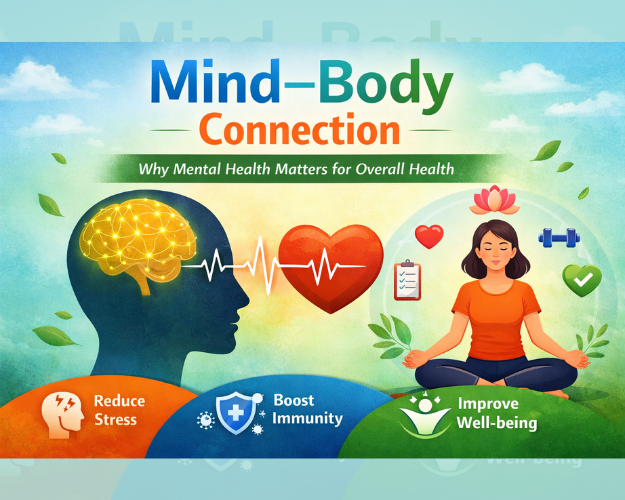
Mind–Body Connection: Why Mental Health Matters for Overall Health
Jan 02, 2026Introduction
In today’s fast-moving lifestyle, health is often measured only by physical parameters—lab reports, scans, medications, and surgical outcomes. However, modern medical science now confirms what ancient healing systems have long believed: the mind and body are deeply interconnected.
The mind–body connection highlights how mental and emotional health directly influences physical well-being, immunity, recovery, and long-term disease prevention. Stress, anxiety, depression, and emotional imbalance can silently affect organs, hormones, and immunity—often before physical symptoms appear.
At ITM Hospital & Research Centre, Gwalior, we believe that mental health is not separate from physical health. It is a core pillar of holistic wellness, essential for prevention, healing, and quality of life.
What Is the Mind–Body Connection?
The mind–body connection refers to the continuous two-way interaction between mental processes and physical health. Thoughts, emotions, and stress levels influence how the body functions—affecting heart rate, blood pressure, digestion, immunity, and hormone balance.
Common Examples of Mind–Body Interaction
Chronic stress leading to high blood pressure and diabetes
1. Anxiety triggering headaches, acidity, or IBS
2. Depression lowering immunity and slowing recovery
3. Positive emotions improving healing and pain tolerance
Scientific evidence clearly shows that mental health has a direct impact on physical outcomes, making integrated healthcare essential.
The Science Behind the Mind–Body Connection
1. Nervous System Regulation
The brain communicates with every organ through the nervous system. Emotional stress activates the sympathetic nervous system, triggering the “fight-or-flight” response.
This causes:
1. Increased heart rate
2. Muscle tension
3. Elevated blood pressure
4. Higher cortisol levels
Long-term activation can damage multiple organ systems.
2. Hormonal and Stress Response
Mental stress increases the release of hormones like cortisol and adrenaline. When these remain elevated for prolonged periods, they may lead to:
1. Weakened immune system
2. Weight gain and metabolic imbalance
3. High blood sugar levels
4. Sleep disorders and fatigue
3. Immune System and Mental Health
Mental well-being plays a critical role in immune defense. Conditions such as chronic stress, anxiety, and depression can reduce immune efficiency, making individuals more vulnerable to infections and delayed healing.
Why Mental Health Matters for Physical Well-Being
1. Stress and Lifestyle Diseases
Unmanaged stress is a major contributor to lifestyle disorders such as:
1. Hypertension
2. Diabetes mellitus
3. Heart disease
4. Obesity
Chronic mental stress increases inflammation in the body, a key risk factor for many long-term illnesses.
2. Mental Health and Heart Health
Research shows a strong link between mental health conditions and cardiovascular diseases. Depression and anxiety increase the risk of:
1. Heart attacks
2. Irregular heart rhythms
3. Stroke
Managing mental health is therefore essential for cardiac wellness and prevention.
3. Gut Health and the “Second Brain”
The digestive system is often called the second brain due to its close connection with the nervous system. Mental stress can worsen conditions like:
1. Irritable Bowel Syndrome (IBS)
2. Acid reflux
3. Indigestion and bloating
A calm and balanced mind supports healthy digestion.
Impact of Mental Health on Recovery and Healing
Mental well-being significantly influences recovery after illness, surgery, or trauma. Patients with stable mental health often experience:
1. Faster wound healing
2. Reduced pain perception
3. Better treatment compliance
4. Shorter hospital stays
At ITM Hospital Gwalior, we emphasize emotional support alongside medical treatment to ensure better recovery outcomes.
Mental Health and Lifestyle Choices
Poor mental health often leads to unhealthy habits, including:
1. Smoking or alcohol dependence
2. Poor dietary choices
3. Physical inactivity
4. Disturbed sleep patterns
These behaviors further harm physical health, creating a negative cycle. Maintaining mental well-being encourages healthier lifestyle decisions.
Common Signs of Mind–Body Imbalance
Mental distress often manifests as physical symptoms. Warning signs include:
1. Frequent headaches or migraines
2. Muscle pain and chronic fatigue
3. Digestive disturbances
4. Sleep disorders
5. Unexplained body aches
Early recognition allows timely medical and psychological intervention.
How to Strengthen the Mind–Body Connection
1. Practice Mindfulness and Meditation
Mindfulness calms the nervous system, reduces stress hormones, and improves emotional regulation. Even 10–15 minutes daily can bring noticeable benefits.
2. Regular Physical Activity
Exercise boosts both mental and physical health by:
1. Releasing endorphins
2. Reducing anxiety and depression
3. Improving sleep quality
Walking, yoga, and stretching are effective and accessible options.
3. Prioritize Quality Sleep
Adequate sleep is essential for brain recovery, emotional balance, and immunity. Poor sleep increases stress hormones and weakens overall health.
4. Maintain Balanced Nutrition
A nutrient-rich diet supports brain function and emotional stability. Foods rich in omega-3 fatty acids, vitamins, and antioxidants help regulate mood and energy.
5. Seek Professional Mental Health Support
Consulting psychologists, psychiatrists, or counselors should be normalized. Seeking help is a sign of strength, not weakness. Early care prevents complications and improves quality of life.
Mental health stigma remains a major barrier to care, especially in Indian society. Mental health conditions are medical conditions, just like diabetes or hypertension.
Open conversations, education, and compassionate healthcare environments can help encourage timely treatment and acceptance.
Simple Daily Practices for Mind–Body Wellness
Small daily habits can create lasting impact:
1. Practice gratitude
2. Stay socially connected
3. Limit screen time
4. Use deep breathing techniques
5. Take regular breaks from work stress
Consistency is the foundation of long-term wellness.
Conclusion
The mind–body connection is a proven reality of modern medicine. Mental health directly influences physical health, recovery, immunity, and disease prevention. Ignoring mental well-being can compromise even the best medical treatments.
By prioritizing mental wellness alongside physical care, individuals can achieve true holistic health. At ITM Hospital & Research Centre, Gwalior, we are committed to supporting both mind and body—because a healthy mind truly builds a healthy body.If you or your loved ones are experiencing stress, anxiety, or mind–body health concerns, consult our expert team at ITM Hospital & Research Centre, Gwalior.
📞 Book an appointment today at 9090191963/64 and take the first step toward complete wellness.

